
 Don’t count out the set-top boxes just yet.
The news this week that Sony has signed a deal with the National Cable and Telecommunications Association (NCTA) is essentially good. The agreement will allow people to rid themselves of clunky, mostly ugly, space-consuming set-top boxes and still receive “two-way” cable services such as pay-per-view and video-on-demand movies.
 To do this, Sony will incorporate a cable TV technology called tru2way in new televisions. Tru2way is an open java-based platform that allows developers to create all sorts of applications like games, eBay notifications, or interactive guides.
Continue reading »
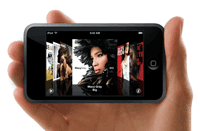 Consumer electronics companies including Apple, Nokia and Sony, maybe softening their stance against a Europe-wide copyright levy on “the sale of products that can be used to copy music, books, films and other protected content”,
  It’s no secret that
 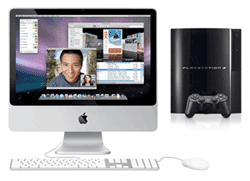 Apple and Sony are fierce competitors, but that hasn’t stopped the PlayStation 3 playing nicely with Mac OSX computers. Thanks to some great third-party software, and Sony’s decision to add support for the UPnP AV standard, the PS3 has, in some ways, become a better solution than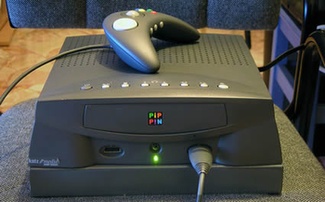
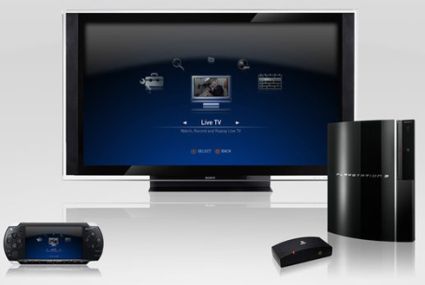 Ability to stream content from a Windows PC (or Mac) to a television? Check.
 The news last week that Microsoft plans to turn off its verification servers for its now-defunct MSN Music store, is a stark reminder of the potential pitfalls customers face whenever they purchase content crippled by Digital Rights Management (DRM) software. Any digital store that sells or loans you content in a copy-protected format makes you a hostage to that store or format’s commercial success. The Microsoft example, however, is just one of many. Here are five cases where companies have sold their customers down the DRM-filled river.

 The folks over at