 With Google’s decision to abandon paid-for video downloads — announced last Friday — the company also inadvertently delivered a “Sesame Street-style” lesson in why DRM is evil (notice the irony?). In an email sent out to Google Video customers, the company revealed that, as of August 15th, purchased videos will no longer playback, and instead users are being a given refund in the form of a Google Checkout “bonus”.
One of the inherit problems with DRM is that if a company goes bust or, presumably in Google’s case, decides to shut down the servers it uses to verify a legitimate purchase, then any DRM’d media is rendered useless.
You might be wondering how Google can get away with it, and I’ve been asking myself the same question. Two answers spring to mind. Firstly, the customer-base of Google Video paid-for downloads must be so small that the company doesn’t expect much of a backlash, which in-turn it hopes to have tempered through its offer of Google Checkout vouchers. Secondly, and more worryingly, it’s likely that the terms and conditions of Google Video already protected the company against such a scenario — where customers don’t actually “own” the media they pay for but instead license it in some way that allows for any future changes in service — including a DRM server blackout.
Whether or not this is legal — and I’m no lawyer — it’s a blatant abuse of trust, for which Google deserves to be held account.
(Also see Cory Doctorow’s take).
 While there is no high definition content to purchase from the iTunes Music Store yet, there are HD video podcasts that can be downloaded and viewed on various devices including PCs, video iPods, XBox 360, and the AppleTV. These, no doubt, are showing us what the future of downloadable HD content looks like.
 Ford and Microsoft today announced the pricing information and other details for Ford Sync, an in-car connectivity solution jointly developed by the two companies. Sync could finally signal a home run for Microsoft’s efforts with automotive software, as Ford seems perpared to
 Earlier in the week NewTeeVee published a
 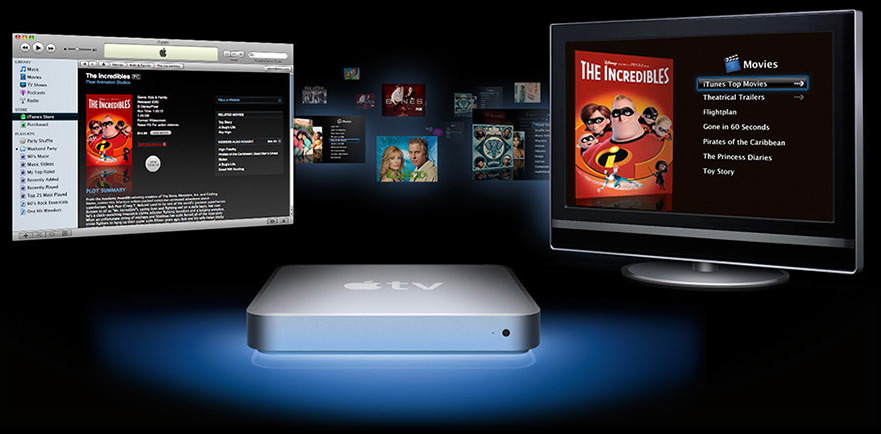 The AppleTV, obviously, is a different beast from the iPhone. But they do share one thing in common besides the Apple name: No sooner had the products hit the shelves at an Apple Store or were available online, hackers, developers, and sadist techies immediately started ripping them apart.
 George Kliavkoff, NBC Universal’s chief digital officer, calls it like he sees it. Appropriate, considering he came to NBC Universal from Major League Baseball.