 VLC Remote, as the name suggests, is another remote control app for the iPhone and iPod touch, this time for the wildly popular VLC Media Player (Windows, Mac and Linux). It comes in both free and paid-for versions, available through the App Store, with the former offering basic remote features such as play, pause and skip, while the latter, costing 99 cents, adds play list access and the ability to browse your computer’s hard drive for any compatible media. Check out Life Hacker’s excellent guide for more details.
Archive for the ‘Mobile’ Category
iPhone remote control app for VLC Media Player
December 12th, 2008 | Posted in Mobile, Net TV |  No Comments
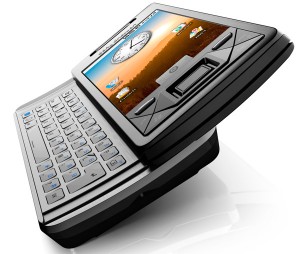
BBC iPlayer on more handsets: Nokia N85, Samsung Omnia, Sony Ericsson Xperia X1 and C905
December 11th, 2008 | Posted in Mobile, Net TV | 3 Comments
 It’s getting hard to keep up, with the BBC rolling out new versions of its UK-only seven day Internet TV catch-up service on what feels like an almost monthly basis. This time iPlayer support has been added to a whole bunch of recently released mobile phones.
 Sony Ericsson dumping Windows Mobile for Android-powered Xperia?
December 10th, 2008 | Posted in Mobile | 3 Comments
 Sadly, my T-Mobile G1 – the so-called Google phone powered by the Android OS — has to be returned tomorrow (it was only a one week loan) but at least we know that there’s plenty more to come.
The Open Handset Alliance (OHA), the industry consortium setup to oversee and lend support to the Google-led Android mobile operating system, has added 14 new members. The most notable of which are Sony Ericsson, who have reportedly confirmed that a new high end device powered by Android will be released next year, alongside mobile carrier Vodafone, as well as Garmin, who’ll likely utilize Android in a new GPS-based navigational device rather than a cell phone.
Continue reading »
G1's Android Market does a good job of copying the iPhone App Store [video demo]
December 8th, 2008 | Posted in Mobile | 2 Comments
 We already knew that the iPhone’s App Store has been a resounding success. And that’s before Apple began running newspaper ads boasting of 10,000 apps available and 300 million downloads since its launch just five months ago. Part of that success can be attributed to the way in which the iPhone as a platform has galvanized developers, while a second major factor is the simplicity of the App Store itself. For example, don’t underestimate the significance of having the store bundled with the handset, supported by over-the-air downloads. The result is that Apple has popularized the notion of third-party software on a mobile phone like never before — how many people do you know with a smartphone from Nokia, RIM or others, who haven’t installed a single third-party application?
See also: The real surprise of the App Store isn’t number of downloads or revenue
While attracting developers is easier said than done, creating an App Store equivalent, especially in hindsight, should be a no brainer. Having spent nearly a week with the T-Mobile G1 — the so-called GPhone — I’m glad to report that Google has done a good job replicating the iPhone experience with the Android Market.
Check out my video walk through after the jump…
Continue reading »
Hands-on: G1's Android web browser rocks [video demo]
December 7th, 2008 | Posted in Mobile | 1 Comment
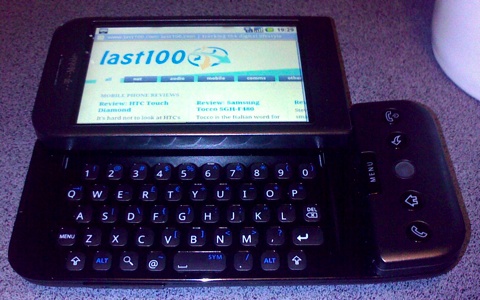
I’ve been playing with the T-Mobile G1 for a few days now — the so-called Google phone — and I’m really impressed with the Android operating system. The touch-friendly User Interface is intuitive and very responsive, although not as ‘pretty’ as the iPhone, an inevitable comparison. And the included suite of native Google apps (Gmail, Google Maps and YouTube), along with the expanding list of third-party software available through the Android Marketplace, already make the G1 a very capable device — my only caveat so far is the drain on battery life that Android’s always-on connectivity and the G1’s large screen seems to impose.
See also: Hands on with the Google phone: a solid device that won’t unseat the iPhone
However, where Android really rocks is the bundled web browser. It’s fast, renders the full web flawlessly (aside from the lack of Flash support), and does a fantastic job of re-flowing text when you zoom in on a specific part of a web page, therefore eliminating the need for horizontal scrolling despite browsing on such a small screen. If the mobile browser is more important than the operating system, then Android has it covered. This is a really big deal in my opinion and good news for mobile web developers everywhere, since we’ll see a plethora of Android-based phones release next year and beyond, at a very competitive range of price points.
View a short video I shot of the T-Mobile G1’s Android web browser in action after the jump…
Continue reading »
Sony's eBook reader – the numbers are in
December 4th, 2008 | Posted in Mobile, Other | 5 Comments
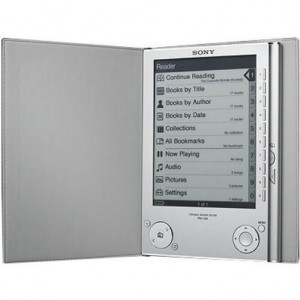 While Amazon remains deafeningly silent over how many Kindles it has sold – except to say that new orders won’t be fulfilled for the next eleven to thirteen weeks – Sony, its main competitor in the eBook reader space, isn’t being so shy.
Claiming to have exceeded the company’s own forecasts, Sony says it sold 300,000 units of its Sony Reader device since its October 2006 launch (WSJ). Interestingly, however, Forrester Research estimates that 400,000 Kindles have sold since its launch in November 2007, which, if true, means that Amazon has done considerably better in a much shorter amount of time, possibly due to better marketing — it’s hard to beat the Amazon brand and e-store when it comes to selling anything book-related.
Although both sets of numbers are nothing to be scoffed at, it doesn’t yet amount to an ‘iPod moment’, notes paidContent. Apple sold 1.3 million units of its music player in the first two years, even if it took considerably longer for the iPod to really go mainstream.
Talking of mainstream, last week my Dad requested a Sony Reader for Christmas after trying out a colleague’s. If that’s any indication, perhaps eBook readers could reach a tipping point sooner than we think?
Nokia N97 – I want one already
December 2nd, 2008 | Posted in Mobile | 13 Comments
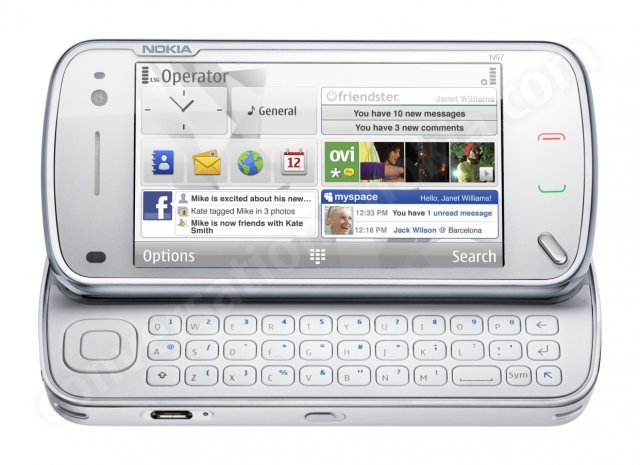
Let me get this out of the way first. I want one of these things.
I’m talking about the upcoming Nokia N97, which the Finnish handset maker unveiled this morning at its annual shindig, Nokia World, in Barcelona. For a long time now Nokia has been telling consumers not to think of its Nseries line of smartphones as phones at all. Instead, they’re ‘multimedia computers’, says the company. With today’s introduction of the N97, a device that’s designed to not only compete hard against consumer-friendly smartphones from the likes of Apple, HTC and RIM but also has a bit of the Netbook appeal in its sights, that pitch is sounding a lot less lofty.
Continue reading »
Video demo: Nokia XpressMusic 5800's media playback features
November 26th, 2008 | Posted in Audio, Mobile, Net TV | 1 Comment
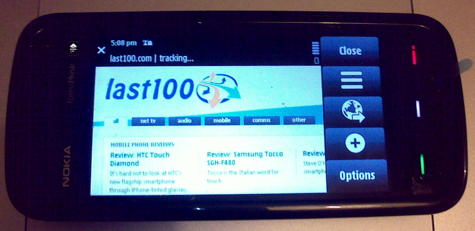 Nokia’s new touchscreen phone, the XpressMusic 5800, is being pitched as an affordable music and video centric phone — it’s the third handset to support the company’s all-you-can-eat music subscription service, Comes With Music — rather than being an outright iPhone killer (it isn’t). On that note, after playing with the device for a few weeks — see my first impressions — here’s a hands-on video I shot walking through the 5800’s media playback features.
Continue reading »
Zune phone anyone? Windows Mobile partners look away
November 26th, 2008 | Posted in Audio, Mobile | 1 Comment
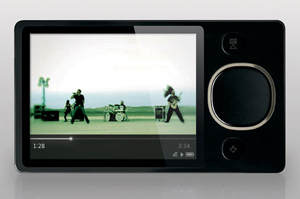 Last February when Microsoft announced it had purchased Danger, makers of T-Mobile’s consumer friendly smartphone the Sidekick, I suggested that rumors of a Zune-branded phone would quickly resurface. Today, CNBC’s Jim Goldman claims that a new device from Microsoft, codenamed ‘pink’, is indeed in the works and that it will combine the company’s Zune with technology from Danger, with an end goal to develop a viable competitor to Apple’s iPhone.
All of which seems perfectly plausible. Both the Zune and Danger teams fall under the company’s Entertainment and Devices Division, which also overseas the XBox 360 — Microsoft’s most successful foray into the consumer electronics space — and is all about what the company calls “connected experiences”. As I wrote at the time, it’s in this context where the Danger acquisition made most sense, with Microsoft citing Danger’s mobile Web browsing, instant messaging, games, multimedia, and social networking applications, which in combination with MSN, Xbox, Zune, Windows Live and Windows Mobile technologies, would help it deliver “industry-leading entertainment and communication experiences”.
Continue reading »
Video demo: SkyFire's S60 mobile web browser accessing Hulu and YouTube
November 24th, 2008 | Posted in Mobile, Net TV | 3 Comments
 In my first attempt at a video demo — something I hope to do a lot more of — I’ve been putting SkyFire‘s new mobile web browser through its paces, running on my S60-powered Nokia e71. What sets SkyFire apart from other mobile browsers, the company claims, is its ability to display the web in its full desktop glory, including Flash, Quicktime and AJAX-heavy content. To achieve this, web pages are processed by the company’s own proxy servers before being served up on the phone.
Check out my video demo after the jump, in which I try visiting last100 (Flash ads included), a page with a YouTube video embedded, and more ambitiously, the online video site Hulu — it played but was out of sync. I also tried accessing the web version of BBC iPlayer, but due to SkyFire’s use of a proxy server, I was blocked from accessing the UK-only service as it presumably thought I resided outside the country…
Continue reading »