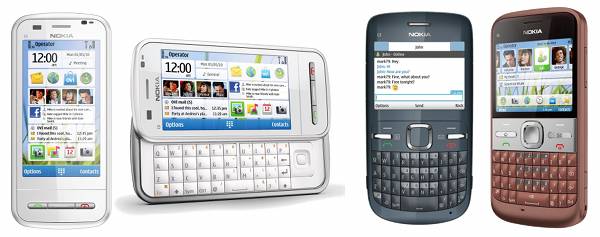
 Nokia unveiled three new phones today as part of their Everyone Connect launch, (press release here). “Everyone Connect” is Nokia’s attempted at bringing E-Mail, Instant Messaging and Social Networking together into a unified whole. As part of this messaging emphasis, all three phones have a QWERTY keyboard. This is a loud and clear message from Nokia as to what they think about touch screen keyboards. Another theme that ties these three phones together is their low cost with Nokia clearly wanting to bring smart phones to the low and mid tier markets. While none of these phones are ground breaking, and may invite yet more of the same-old tired Nokia bashing, these three may prove to be ideally placed to sell in large numbers, thus maintaining Nokia’s market share.
Continue reading »
 The
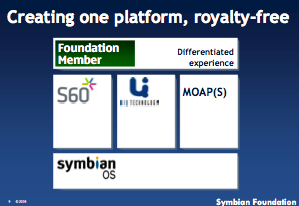
The  The Symbian Foundation, Nokia’s
  It seems that Adobe is well on track to deliver a version of Flash 10 for smartphones, with the first beta release due this October. Adobe President and CEO Shantanu Naraye said as much during the company’s latest earnings call, as well as revealing that “multiple partners have already received early versions of this release…”.
 The boldest moves are made from a position of strength, not when the chips are down and you’ve very little to lose. Nokia’s decision,