
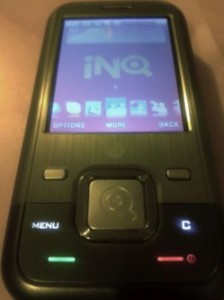
 Hutchison-owned INQ, makers of the Skype phone and INQ1 – dubbed the Facebook phone – is said to be targeting Twitter next, according to a Reuters report. That’s hardly surprising considering the rise in popularity of the ‘micro-blogging’ site and the large amount of media attention the service has garnered here in the UK, one of the primary markets for the INQ1 via mobile network “3”, which is also a subsidiary of Hutchison.
“This can really help open up and drive Twitter use on mobile when usage becomes part of your data package like on the PC”, Frank Meehan chief executive of INQ tells the news service. One again the proposition to carriers is that a low cost ‘Twitter phone’ would help to drive data usage and retention amongst mass consumers not just those who can afford a traditional ‘smart phone’.
Continue reading »
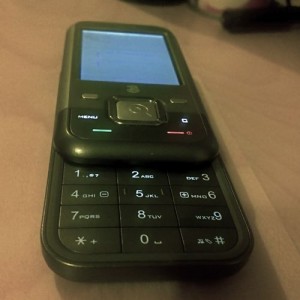 Over the last week I’ve been playing with the