 After rumors of a third change in direction, Joost, the Internet TV startup that just won’t seem to die, has announced plans to focus less on its own online video portal and instead tout the company’s newly launched white label service to “media companies, including cable and satellite providers, broadcasters and video aggregators.”
In other words, the company, which was founded by Niklas Zennstrom and Janus Friis of Skype fame, has conceded that ad-revenue alone can’t pay the bills and, instead, hopes that Old Media will.
See also: Joost up for sale? Old media to the rescue
Interestingly, on the same day as Joost’s announced change it direction, it’s been reported that rival Hulu alone boasts 10 percent of the online video ad market.
 When the Pirate Bay four were convicted of “assisting in making copyright content available” and sentenced to a one year prison term and a fine of $3.6 million, the site’s co-founder Peter Sunde played down the verdict, claiming that it was business as usual. The argument being that the site itself was never on trial, only the four individuals named in the law suit.
 It was just over two years ago that I posted a brief note on a daring side project from Pirate Bay, the organization best know for its law-evading BitTorrent filesharing site. The project was to build a kind of YouTube-esque video streaming site, but one that operates outside of mainstream copyright law. Today we learn that the project, dubbed “The Video Bay”, lives on.
  Based in the UK, I don’t have access to the US-only video site Hulu. But if I did I’d no longer be able to access the studio-backed Internet TV service on my PlayStation 3.
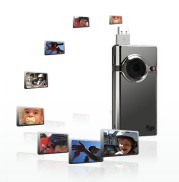 CISCO-owned Pure Digital, makers of point and shoot camcorders such as the Flip Mino HD, have launched their own video sharing site dubbed “FlipShare.com”. One of the biggest selling points of the Flip range of camcorders is the software that they come bundled with (installable from the camera itself), which enables basic editing and upload to YouTube and other third-party video sites. So why launch a competing site of their own? Two words: Privacy and convenience.
 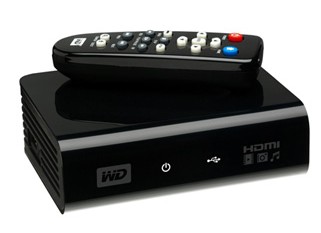 Sometimes a seemingly complex problem requires the simplest of solutions. Case in point is Western Digital’s