
 The U.S. Wireless Wall is crumbling. This time next year, the wall may have fallen.
Metaphorically, the Wireless Wall is not unlike the Berlin Wall, which separated East Berlin and West Berlin from 1961 until 1989. Only in the U.S. wireless industry, the Wall separates the protect-their-turf carriers from the we-want-freedom consumers.
There’s been a steady assault on the Wireless Wall this year; it’s cracked but not fallen. Yet. The latest blow comes from the No. 2 U.S. carrier, Verizon Wireless, which plans to support the Google-led Open Handset Alliance and its new, open-source software platform Android. Together OHA and Android seek openness that will allow any phone and any application to be used on any network.
Continue reading »
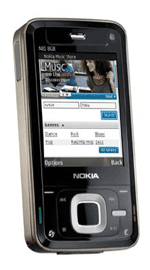 “The single biggest issue that’s facing the music industry is there are huge waves of devices being sold and shipped to consumers on a daily basis. Very few of these devices are then subsequently used to subscribe [to] legitimate downloads,” says Universal Music executive Rob Wells.
 Adobe have announced the release of Flash Media Server 3, the latest version of its delivery platform for the company’s near ubiquitous Flash technology. Over at our sister blog, Read/WriteWeb,
  I’m toying with the radical idea of boycotting NBC. That means no more of “The Office,” “Heroes,” “Chuck”, or any of the other shows I watch from NBC Universal.
 Aside from supporting YouTube, the AppleTV is about as Internet-connected as a first generation iPod. This despite the device sporting an Ethernet connection, high speed WiFi, and running Mac OSX under the hood.